Managing Special-Needs Dental Patients Efficiently with Remedico
Managing dental care for patients with special needs is complex but can be made simpler with the right tools. Clinics need to handle detailed medical histories, caregiver communication, and emergency preparation while ensuring compliance with UAE and MENA regulations. Without proper systems, appointments can become chaotic and risky.
Key takeaways:
- Use a centralised system like Remedico to store medical records, emergency protocols, and caregiver details.
- Automate reminders to reduce missed appointments and improve attendance.
- Ensure compliance with UAE standards (NABIDH, Riayati) using secure, audit-ready documentation.
- Enhance patient understanding with visual tools for treatment explanations.
- Simplify billing and insurance claims for specialised care.
Remedico provides solutions like cloud-based records, automated scheduling, compliance tracking, and VR/AR tools to create safer, more organised care for special-needs patients. This approach improves patient outcomes, caregiver trust, and clinic efficiency.
Oral Health Instructions for Special Needs Patients in a General Dental Setting, By Dr. JacobDent
What Special-Needs Dental Patient Management Involves
Caring for special-needs dental patients requires meticulous attention to their medical history, coordination with caregivers and physicians, and preparation for any safety concerns. These patients may include individuals with physical disabilities, developmental conditions like autism, sensory disorders, behavioural challenges, or medical issues such as epilepsy, heart disease, or diabetes. Providing care for them often involves creating tailored treatment plans, adapting techniques, and closely monitoring medications, allergies, and potential emergency risks.
This process begins well before the patient sets foot in the clinic. Teams must gather detailed medical histories, current medication lists, known triggers, and preferred communication methods. Once the patient arrives, accommodations such as extended appointment times, quieter settings, and specialised equipment may be necessary. After treatment, clear home-care instructions and follow-up schedules should be provided. Maintaining thorough documentation ensures that every team member can quickly access the patient’s history and care requirements.
The cost of oral health care for children with special health care needs can be about three times higher than for children without such needs [4]. This isn’t just due to clinical complexity - it’s also about the time, preparation, and coordination required for each visit. When systems are disorganised, appointments can become chaotic, stressful, and prone to cancellations or emergencies.
Main Challenges When Treating Special-Needs Patients
Incomplete or outdated medical records pose immediate risks. Conditions like epilepsy, bleeding disorders, or immunosuppression can influence decisions about anaesthetics, antibiotics, and even the treatment setting - whether it’s a clinic or a hospital. Medications such as anticoagulants, anticonvulsants, or psychotropic drugs can affect bleeding, healing, and other factors. Keeping medication lists updated and consulting with physicians is essential before performing invasive procedures.
Communication barriers can complicate care. Patients with developmental disabilities, autism, or anxiety may find it difficult to express discomfort, follow instructions, or endure standard procedures. Caregivers often provide critical information about medical history, consent, home-care routines, and effective behavioural strategies. Without a structured system, teams risk missing key details or repeatedly asking the same questions.
Operational pressures add to these challenges. A caregiver survey (n = 102) revealed that 60.8% cited lack of caregiver time, 55.8% felt the dental issue wasn’t serious enough, and 53.9% found the clinic’s environment unsettling for individuals with special health care needs [5]. Standard appointment scheduling often fails to account for longer visits, sensory needs, or frequent cancellations, leaving teams unprepared. Disorganised files, scattered emails, and inconsistent coordination only worsen the situation.
Physical and sensory barriers are another hurdle. Clinics must have wheelchair-accessible entrances, adjustable chairs, and layouts that allow for safe transfers. For patients with sensory or behavioural needs, modifications like dimmed lighting, reduced noise, weighted blankets, or deep-pressure techniques can make a big difference. Emergency equipment and protocols should also be readily available for situations like seizures. Many caregivers report that noisy, brightly lit, or crowded waiting rooms are as much of a barrier as transportation or cost.
Compliance and documentation bring additional complexity. Clinics in the UAE and MENA must maintain secure, auditable records to meet regulatory standards. This includes informed consent forms (often from legal guardians), capacity assessments, detailed medical and social histories, treatment plans, and records of discussions with caregivers and physicians. Secure electronic record-keeping and adherence to local data-retention laws are essential.
How a Dental Patient Management System Helps Your Clinic
A centralised system can address these challenges by streamlining data and automating essential tasks. Modern software allows teams to quickly access detailed medical and behavioural records without the hassle of repeated phone calls or redundant paperwork. For example, Remedico consolidates medical histories, allergy alerts, medications, physician contacts, consent forms, and emergency plans in a secure cloud-based system. This eliminates the need to sift through paper files or scattered emails, significantly improving workflow.
Automated appointment tracking can also ease the burden of manual follow-ups. Special-needs patients may cancel or miss appointments for various reasons - caregivers might delay visits, thinking the issue isn’t urgent, or face scheduling conflicts. Remedico’s Retention AI™ sends automated reminders via WhatsApp and SMS, reducing no-shows and keeping patients on schedule. The Smart Calendar allows clinics to allocate longer, quieter appointment slots and tag specific needs, such as wheelchair access, ensuring smoother operations for complex cases [1].
Regulatory compliance becomes simpler with tools like Remedico’s Document Management 360, which organises patient records with a customisable document builder. Consent forms, medical correspondence, and treatment plans can be stored with clear audit trails that meet UAE requirements like NABIDH and Riayati [1].
Communication with patients and caregivers is also enhanced. Remedico’s Dentaverse® AR/VR app allows dentists to visually explain treatment plans, conditions, and procedures. This can be especially helpful for special-needs patients who benefit from visual aids, social stories, or pre-visit orientations, reducing anxiety and improving understanding [1].
Safety protocols are seamlessly integrated into patient records. The Treatment Funnel™ ensures that all steps in the treatment process are followed, while features like Medicine Prescriptions manage medications and essential follow-ups. For high-risk patients, such as those with epilepsy or cardiac conditions, emergency plans, premedication checklists, and seizure management protocols can be documented for quick access.
AI tools further streamline administrative tasks. RemedicoGPT retrieves clinical documents via text commands, reducing paperwork and minimising errors. It automates scheduling, billing, and reminders, ensuring timely follow-ups. The Hyper 3D Dental Chart™ provides clear visualisations of treatment history, aiding in better understanding and planning [1].
With a structured system, providing care for special-needs patients becomes more efficient, less stressful, and safer for everyone involved. This approach not only improves patient outcomes but also enhances the overall experience for caregivers and dental teams alike.
How to Manage Special‑Needs Dental Patients with Remedico
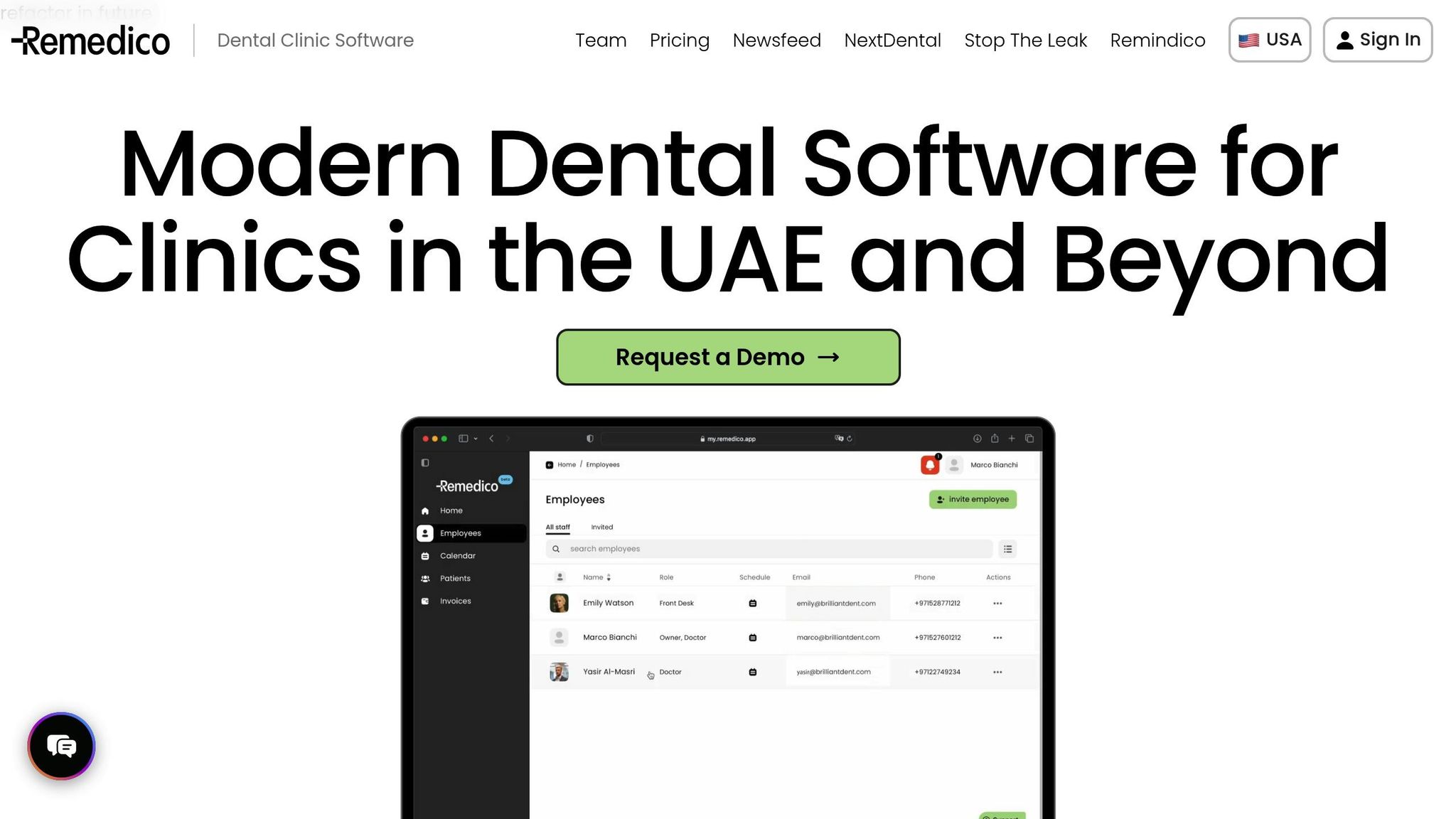
Remedico offers practical tools to provide safer and more organised care for special‑needs patients. By combining secure patient records, automated reminders, compliance tracking, and clear communication, it simplifies the process. Here’s how to make the most of it.
Centralise Patient Records for Easy Access
With Remedico’s cloud‑based EMR, you can create detailed profiles for each patient. Include essential information such as diagnoses, medications, allergies, triggers, caregiver contacts, mobility needs, communication preferences, and emergency plans.
Before any appointment, dentists can quickly review these records, ensuring they’re well-prepared without sorting through paper files. The system also allows you to document guardianship status and track consent forms, including guardianship letters or power of attorney documents with expiration dates. For informed consent, Remedico initiates a digital workflow to collect e‑signatures and securely stores them with a full audit trail.
Patient data is safeguarded with encryption and automated backups [1]. Once records are updated, the next step is addressing appointment attendance.
Reduce No‑Shows with Automated Reminders
Missed appointments are common among special‑needs patients due to scheduling conflicts, transportation challenges, or the belief that dental care isn’t urgent. Studies reveal that 60.8% of caregivers cite lack of time as a key obstacle, while 55.8% delay care because the dental issue doesn’t seem urgent [5].
Remedico’s Smart Calendar and Retention AI™ tackle this by sending automated WhatsApp and SMS reminders directly to caregivers. You can configure appointment types like “special‑needs recall” or “medically compromised review” and set up reminder rules - for example, reminders 72 hours, 24 hours, and on the day of the appointment. Caregivers’ mobile numbers are tagged as primary recipients, and reminders can be sent in Arabic or English to avoid misunderstandings. Additional pre‑visit tips, such as arriving early or watching a short video, further improve attendance rates.
“I was amazed by the use of ‘Observe reminders’, which significantly boosted patient retention rate.” - Dr. Enas, Remedico user [1]
The system also flags patients who need special accommodations, like quieter or extended appointment slots, and integrates these preferences into the scheduling process. Each month, Remedico includes 1,000 free WhatsApp reminders to help minimise no‑shows [1].
Ensure Compliance with UAE and MENA Regulations
Clinics serving special‑needs patients must maintain secure, auditable records to meet NABIDH and Riayati standards in the UAE. Remedico simplifies this by linking patient records to national IDs, insurance details, and consent documentation. Once captured, this data can be reused across multiple encounters.
The Document Management 360 feature organises all patient-related files - such as consent forms, medical correspondence, and treatment plans - while maintaining audit trails that meet local compliance requirements [1]. For special‑needs patients, you can also document capacity assessments, legal guardians’ consent, and detailed medical and social histories. If an audit occurs, everything is already encrypted, backed up, and ready to access. Plus, you retain full ownership of your data, with the option to export it anytime [1].
This structured approach ensures both compliance and high‑quality care.
Streamline Insurance Claims
Special‑needs patients often require longer appointments or additional procedures, which may need prior authorisation from insurers. Remedico integrates billing with patient records, making it easier to generate claims and track approvals.
You can establish fee schedules that account for the extra time or specialised care involved. Pre‑authorisation requests can be generated directly from treatment plans, complete with clinical notes and imaging. This ensures staff know which services are covered, what co‑payments may apply, and whether any follow‑up claims are pending.
By linking billing to diagnoses, procedure codes, and medical histories, Remedico provides insurers with the detailed documentation they expect. Built‑in checklists remind staff to attach required reports, imaging, and consent forms, reducing back‑and‑forth communication and preventing delays. The platform also includes tools to generate financial reports, helping you monitor revenue and assess the impact of special‑needs care on your practice [1].
With billing and compliance handled, the next step is improving communication with patients and caregivers.
Simplify Treatment Explanations with Dentaverse®
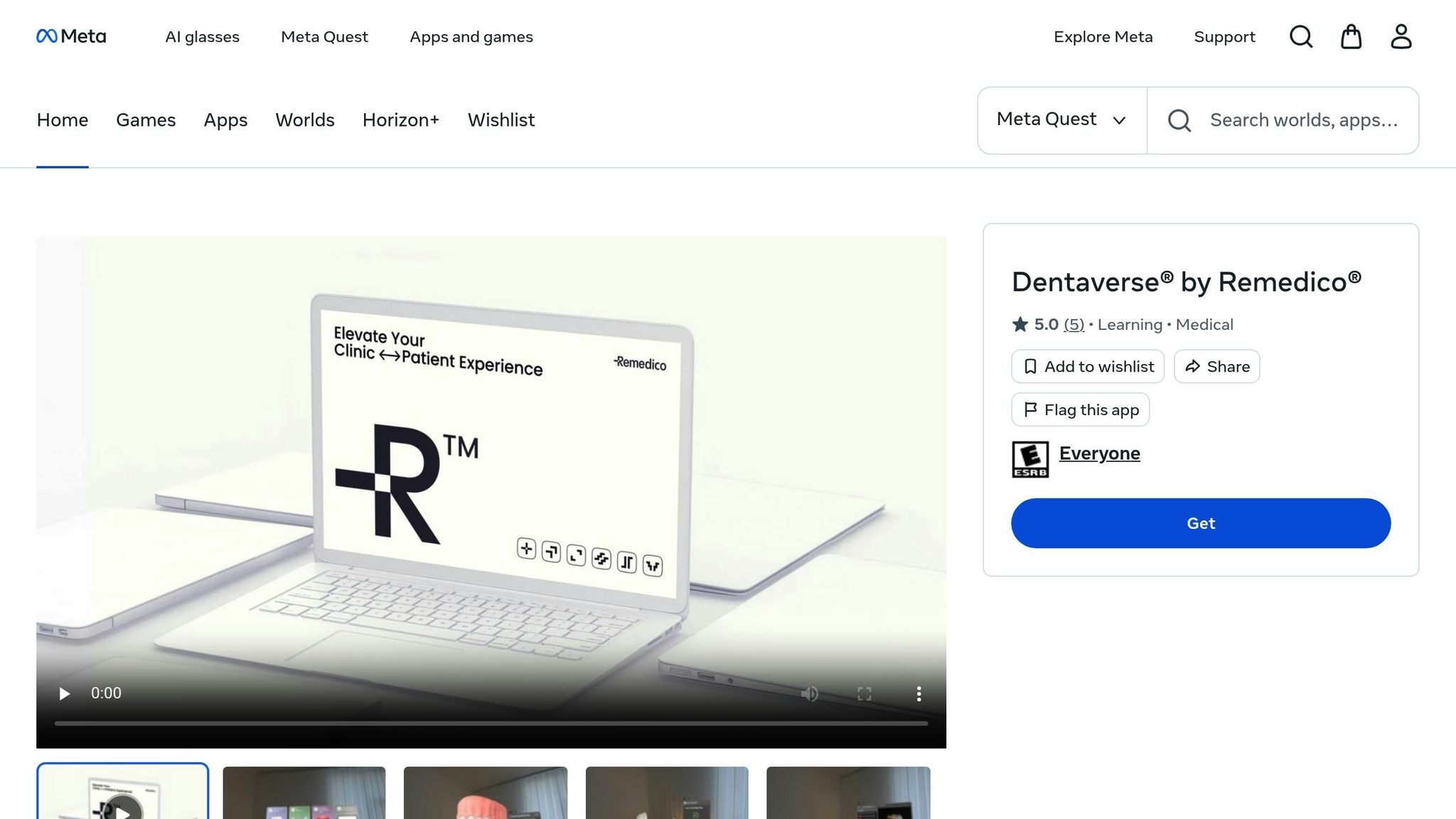
Patients with developmental disabilities, autism, or anxiety often find it difficult to understand verbal explanations of dental procedures. Caregivers may also struggle to grasp treatment details. Remedico’s Dentaverse® VR and AR platform bridges this gap with clear, step‑by‑step visuals.
Before starting treatment, clinicians can use Dentaverse® to display 3D or AR visuals of the tooth, decay, or procedure while explaining each step in simple terms. Preview visits with these visuals help reduce anxiety and make treatment sessions more efficient.
Techniques like tell‑show‑do, social stories, desensitisation, and visual schedules have been shown to lower anxiety and improve cooperation in patients with developmental, cognitive, or sensory challenges [4][2][3].
When you add three or more doctors to your Remedico plan, you’ll receive a free VR headset to use with Dentaverse® [1]. This feature allows you to integrate immersive patient education into your workflow without additional investment. You can also document which visual or behavioural strategies work best for each patient in their EMR, ensuring smoother future visits for both the patient and the care team.
sbb-itb-d8b42ea
3 Mistakes Clinics Make with Special-Needs Patients
Even well-established clinics sometimes make errors that can jeopardise the safety of special-needs patients and lead to compliance issues. In the UAE and MENA regions, these mistakes can have particularly serious consequences. Let’s look at three common pitfalls and how they can be avoided using Remedico.
Not Keeping Patient Medical Information Updated
Outdated medical records can result in treatment mishaps. For instance, a patient with epilepsy may have switched anticonvulsants, a child with cerebral palsy might be on new medications, or a young adult with Down syndrome could develop cardiac complications. If these changes aren’t documented, it could lead to prescribing unsuitable medications, missing seizure triggers, or overlooking allergies.
To avoid such risks, ensure that every visit includes updates to diagnoses, medications (including dosages and schedules), recent hospitalisations, and any new adverse reactions. Verifying all patient details is essential to prevent errors.
Remedico simplifies this process by prompting staff to verify critical information during check-in. Smart alerts flag high-risk updates - like recent seizures or new anticoagulant therapy - so the dentist is aware before the examination begins. Automated checklists guide the team through necessary documentation, reducing the chances of oversight.
For example, consider a young adult with cerebral palsy and epilepsy who missed several hygiene appointments, resulting in gingival overgrowth caused by an anticonvulsant. In a clinic using automated reminders, the system keeps rescheduling appointments until a suitable time is found. At the next check-in, the software prompts staff to confirm the anticonvulsant dosage, allowing the dentist to collaborate with the neurologist and adjust the recall schedule. This proactive approach prevents painful complications and avoids last-minute urgent visits.
Skipping Follow-Up Appointment Reminders
Accurate records are essential, but so is ensuring patients return for follow-up care. Missed appointments can disrupt treatment plans and lead to more severe dental problems, which may require emergency care and consume valuable chair time that could have been scheduled more efficiently.
Many clinics still rely on manual reminders - like phone calls, spreadsheets, or sticky notes - which can easily be overlooked during busy days. A layered reminder system works best in the UAE: send an initial reminder seven days before the appointment, follow up 24–48 hours prior, and, for high-risk or behaviourally complex patients, confirm on the same day. Caregivers often prefer WhatsApp or SMS for quick confirmations, while email can be used for detailed instructions or consent forms.
Remedico automates this process by sending reminders through WhatsApp and SMS. Appointment types such as “special-needs recall” or “medically compromised review” can have customised reminder rules. The system also logs confirmations, so staff can identify which patients may need a personal follow-up call.
Overlooking Healthcare Compliance Standards
Neglecting to meet NABIDH or Riayati compliance requirements can result in fines or even temporary clinic closures. For special-needs patients, regulators pay close attention to documentation, including medical histories, safeguarding measures, and caregiver communication. Missing consent forms, incomplete records, or poor audit trails can lead to failed inspections, financial penalties, or even the loss of insurance contracts.
To address this, use standardised templates to ensure all necessary compliance data is captured. This includes time-stamped logs for data updates, digital consent forms, and integrated electronic claims for insurance.
Remedico streamlines compliance by linking patient records with national IDs, insurance information, and consent forms. It stores all files - such as treatment plans and caregiver correspondence - in an audit-ready format. During inspections, all data is encrypted, securely backed up, and easy to access. Clinics retain full ownership of their data, with the option to export it at any time [1].
Key Takeaways: Managing Special-Needs Patients with Remedico
Centralized records improve safety and speed up decision-making. When all critical details - like medical alerts, medication lists, behavioural notes, and caregiver instructions - are stored in one place, dentists can quickly review everything before starting treatment. This reduces the risk of drug interactions or behavioural triggers, especially for patients with conditions like epilepsy, cerebral palsy, or Down syndrome. Remedico’s Document Management 360 ensures radiographs, consent forms, and treatment plans are securely organised and easily accessible.
Automated reminders help maintain consistent attendance. Special-needs patients often require regular follow-ups, and missed visits can disrupt their care. Remedico’s Retention AI™ sends automated WhatsApp and SMS reminders, enabling caregivers to confirm appointments quickly. This reduces no-shows and ensures a more predictable schedule for the clinic.
Compliance tracking simplifies inspections. Meeting UAE and MENA healthcare regulations for special-needs cases involves detailed documentation. Remedico links patient records to national IDs and insurance details, stores files securely in an audit-ready format, and adheres to NABIDH and Riayati standards. Clinics can generate compliance reports effortlessly during inspections, allowing staff to focus more on patient care.
Visual aids improve treatment understanding and acceptance. Using dental visuals helps patients and their families better understand procedures. This clarity builds trust and makes it easier to gain agreement on proposed treatments.
Efficient billing speeds up revenue collection. Special-needs patients often require additional visits or advanced procedures that need pre-approval. Remedico’s centralised billing workflow reduces claim rejections and accelerates approvals, ensuring quicker payments.
Streamlined systems save time and reduce errors. By replacing spreadsheets, messaging apps, and paper records with a single platform, both front-desk staff and clinicians can work more efficiently. For clinics managing medically complex or behaviourally challenging patients, structured workflows simplify daily operations and minimise mistakes.
FAQs
How does Remedico help dental clinics in the UAE and MENA stay compliant with regulations for special-needs patients?
Remedico makes navigating UAE and MENA dental regulations easier by providing tools tailored to manage the care of patients with special needs. The platform ensures patient records are securely stored and well-organised, aligning with local data protection laws and reporting requirements.
With features like Patient Flow™ and Smart Calendar, you can personalise appointment scheduling and treatment plans to suit individual patient needs. This not only creates a smoother experience for patients but also simplifies operations for your staff. Plus, Remedico keeps up with regional compliance standards, helping your clinic avoid expensive mistakes while maintaining excellent care standards. :::
How does Remedico help improve communication with caregivers of special-needs dental patients?
Remedico provides tools that make it easier to stay connected with caregivers of special-needs dental patients. One standout feature, Patient Flow™, helps you keep track of treatment plans and share updates effortlessly. This ensures caregivers are always in the loop about their loved one’s progress. Plus, automated reminders and messaging tools make it simple to coordinate appointments, send pre-visit instructions, and share post-treatment care tips - all of which help minimise confusion and missed steps.
Another benefit of using Remedico is the ability to maintain comprehensive patient profiles. These profiles include detailed medical histories and specific care needs, giving caregivers peace of mind that their loved ones are receiving care tailored to their unique requirements. :::
How does Remedico help create a better treatment experience for special-needs dental patients?
Remedico’s Dentaverse® offers an engaging 3D and virtual setup that breaks down complicated dental procedures into visuals that are easier for patients to grasp. This is particularly helpful for patients with special needs, who might otherwise feel stressed or uneasy in conventional dental environments.
By showcasing treatment steps and expected results visually, Dentaverse® strengthens trust and enhances communication. It ensures patients feel more at ease and receive care tailored to their individual needs. :::